
Kids Shoe Size Guide: EU, US and UK Explained
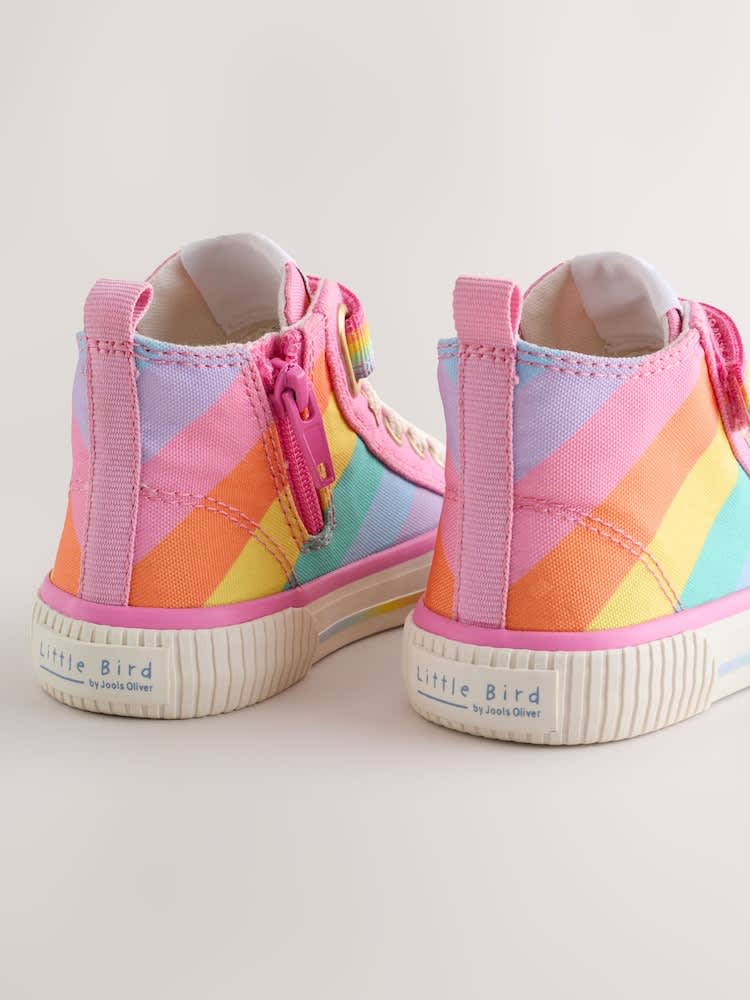
Children's shoe sizes trip up even experienced parents — and honestly, the numbering systems don't make it easy. EU, US, and UK shoes all use completely different scales, and to make things more confusing, US children's sizes reset after 13. (Yes, US kids size 1 is actually bigger than US kids size 13. We know.)
Here's what's actually going on under the hood.
EU shoe sizes are based on the length of the last — the foot-shaped form the shoe is built around — measured in Paris Points, where 1 Paris Point equals 2/3 of a centimetre. This means EU shoe sizes increase in steps of about 6.7mm, which is why children sometimes stay in the same size for months and then jump two sizes almost overnight.
US children's shoe sizes come in two separate ranges: infant/toddler (sizes 0–13) and youth or "big kids" (sizes 1–7). After US size 13, the count resets back to 1. UK children's sizes follow a similar pattern but with slightly different numbers.
A practical conversion guide:
- EU 18 = US 3 infant = UK 2 — foot length approx. 11 cm
- EU 22 = US 6 toddler = UK 5 — foot length approx. 13.5 cm
- EU 24 = US 8 toddler = UK 7 — foot length approx. 14.5 cm
- EU 26 = US 9 toddler = UK 8 — foot length approx. 15.5 cm
- EU 28 = US 10–11 = UK 10 — foot length approx. 16.5 cm
- EU 30 = US 12 = UK 11 — foot length approx. 18 cm
- EU 32 = US 1 youth = UK 13 — foot length approx. 19.5 cm
- EU 34 = US 2–3 youth = UK 2 — foot length approx. 21 cm
- EU 36 = US 4 youth = UK 3 — foot length approx. 22 cm
The most reliable thing you can do is measure your child's foot length before buying any shoes and match it to the brand's own size chart. Sizing by age alone is too unreliable — children's feet grow at completely different rates. Our shoe size chart on the homepage is a good starting point, but always confirm with the specific brand before ordering.